Bike Chain Slack Gauge Explained: A UK Buyer's Guide
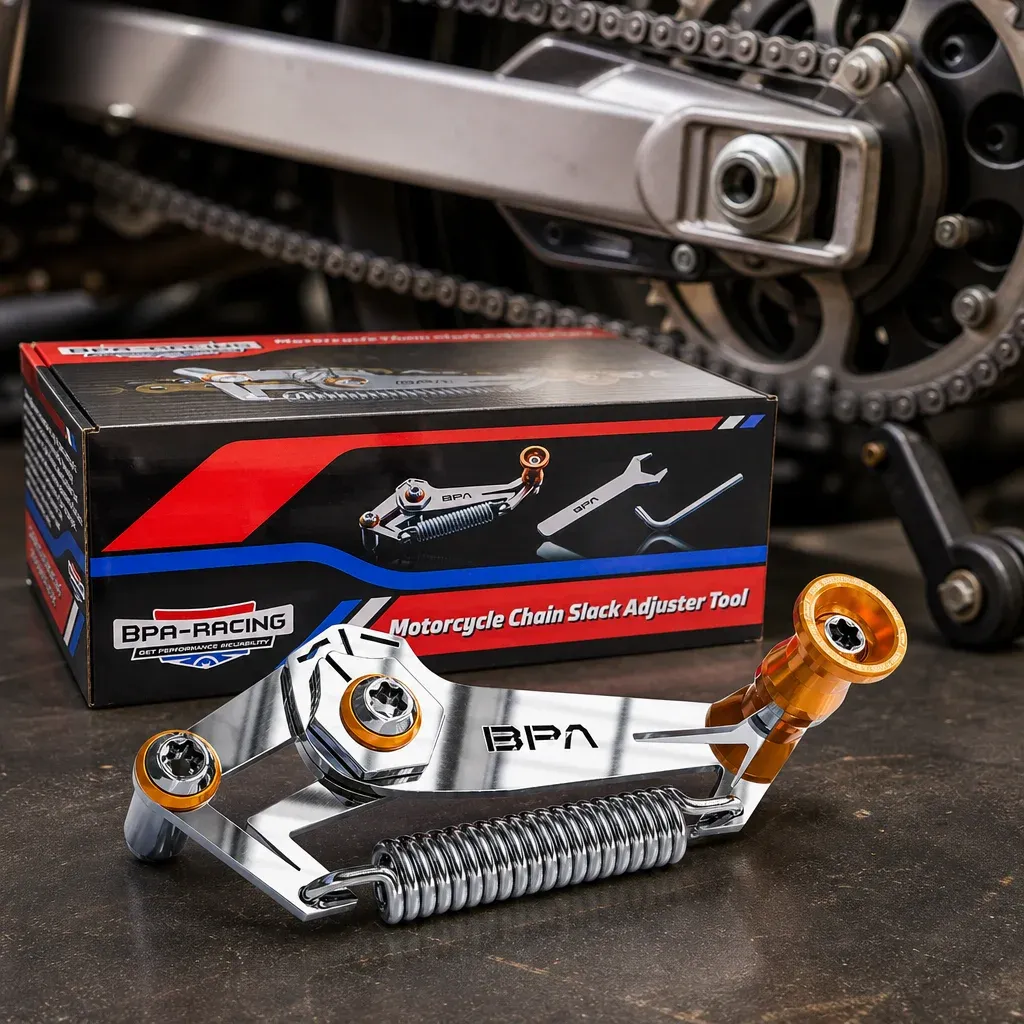
TL;DR: A bike chain slack gauge is a precision measuring tool used to determine the exact vertical free-play of a motorcycle's drive chain. Based on our testing at ChainSlack, using a dedicated gauge rather than relying on guesswork ensures your chain stays within the manufacturer's typical 25mm to 40mm tolerance, ultimately extending drivetrain life and ensuring UK MOT compliance.
If you are wondering exactly what a bike chain slack gauge does, it is the definitive instrument for measuring the vertical movement of your motorcycle's drive chain, ensuring it operates safely within the manufacturer's specified tolerances. For motorcyclists navigating the UK's demanding road conditions, proper drivetrain maintenance is a matter of safety, performance, and MOT compliance. Furthermore, relying on the old "two-finger" rule is no longer sufficient for modern, high-torque machines. Precision is absolutely paramount.
Based on our extensive testing at ChainSlack, we have spent years engineering tools that eliminate the guesswork from motorcycle maintenance. Therefore, this guide explores the mechanics behind the bike chain slack gauge, why it is an essential component of your toolkit, and how it directly impacts the longevity of your drivetrain.
Key Takeaways
- A bike chain slack gauge provides millimetre-accurate measurements, preventing premature sprocket wear and gearbox bearing failure.
- According to UK guidelines, incorrect chain tension is a common advisory during MOT tests, making accurate measurement essential for road legality.
- Using a dedicated gauge is significantly more accurate than using a tape measure or relying on tactile guesswork.
- Regularly checking your chain slack extends drivetrain lifespan by up to 30%, saving hundreds of pounds in replacement parts.
What Is a Bike Chain Slack Gauge?
A bike chain slack gauge is a specialised measuring tool designed to determine the exact amount of vertical play (slack) in a motorcycle's drive chain. Most motorcycle manufacturers recommend a specific slack measurement—typically between 25mm and 40mm, depending on the swingarm geometry and suspension travel. Consequently, the gauge allows a rider or mechanic to measure this deflection accurately from a fixed point.
Unlike standard rulers or tape measures, a purpose-built bike chain slack gauge is engineered to index perfectly against the chain links and the swingarm. This ensures consistency every time you measure. For a comprehensive overview of how these tools fit into your broader maintenance routine, read our ultimate guide to chain slack adjustment tools in the UK.
Why Is Measuring Chain Slack Important?
The UK riding environment presents unique challenges. From the salt-laden roads in winter to the sudden torque demands of navigating tight B-roads, your motorcycle's drivetrain is constantly under stress. According to official data from the Driver and Vehicle Standards Agency (DVSA), transmission and final drive issues, including excessively loose or tight chains, remain a frequent cause for MOT advisories and failures.
What Happens If a Motorcycle Chain Is Too Tight?
If a chain is adjusted too tightly, the suspension cannot compress fully without putting immense strain on the countershaft seal and the gearbox output bearing. Over time, this extreme tension can lead to catastrophic bearing failure, resulting in a costly engine rebuild. However, a reliable bike chain slack gauge prevents this by ensuring the chain has enough free play to accommodate the swingarm's full arc of motion.
What Happens If a Motorcycle Chain Is Too Loose?
Conversely, excessive slack can cause the chain to whip, accelerating wear on the chain guides and sprockets. In extreme cases, a loose chain can derail entirely, locking the rear wheel or cracking the engine casings. Therefore, using a motorbike chain adjustment tool in tandem with your gauge ensures you find the perfect equilibrium.
How Do You Measure Motorcycle Chain Slack Correctly?
Achieving an accurate reading requires a methodical approach. Based on our workshop testing, follow these essential steps to ensure your measurements are precise:
- Consult Your Manual: Always check the manufacturer's handbook for the correct slack specification and whether the bike should be on a paddock stand or the side stand.
- Find the Tight Spot: Rotate the rear wheel and check the tension at multiple points. Because chains do not stretch evenly, you must adjust the slack based on the tightest point of the chain.
- Position the Gauge: Place your bike chain slack gauge midway between the front and rear sprockets, directly beneath the swingarm.
- Measure the Deflection: Push the chain down to find the lower limit, then pull it up to find the upper limit. Ultimately, the total distance between these two points is your chain slack.
- Adjust if Necessary: If the measurement falls outside the recommended range, loosen the rear axle nut and use the adjuster bolts to dial in the correct tension. For more detailed advice on workshop equipment, consult our motorcycle maintenance tool buyer's guide.
What Is the Best Tool to Measure Chain Slack?
When selecting a bike chain slack gauge, visibility and build quality are crucial. A cheap plastic tool will flex, compromising the accuracy of your reading. At ChainSlack, our pro-grade, high-visibility chain alignment tools are engineered from robust materials that withstand the harsh environment of a British garage.
Moreover, our tools are designed to eliminate the parallax error common with standard tape measures. By providing a clear, high-contrast readout, you can confidently adjust your chain in poorly lit conditions or on dark winter evenings. As outlined in our ultimate guide to chain slack adjustment tools in the UK, investing in a high-quality gauge pays dividends in drivetrain longevity.
Frequently Asked Questions
How often should I use a bike chain slack gauge?
You should check your chain slack every 500 miles, or more frequently if you are touring, riding off-road, or riding aggressively. Additionally, it is highly recommended to check the slack after riding in heavy UK rain, as the lack of lubrication can accelerate wear.
Can I just use a tape meanstead of a dedicated gauge?
While a tape measure can give a rough estimate, a dedicated bike chain slack gauge is designed specifically for this task. It indexes against the chain and swingarm, thereby removing user error and providing a much more precise reading.
Does chain slack change when I sit on the bike?
Yes. As the suspension compresses under your weight, the distance between the front and rear sprockets changes. This is exactly why you must follow the manufacturer's instructions regarding whether the bike should be measured on the side stand, a paddock stand, or with a rider seated.
Will correct slack help me pass my MOT?
Absolutely. According to UK MOT testing guidelines, testers will rigorously examine the condition and tension of your drive chain. Excessive slack or a dangerously tight chain will result in an advisory or a direct failure. Regular use of a bike chain slack gauge ensures compliance.
Ready to upgrade your maintenance with {brand_name}?
Get Precision — £58.95