Motorcycle Maintenance Tool Explained: A UK Buyer's Guide
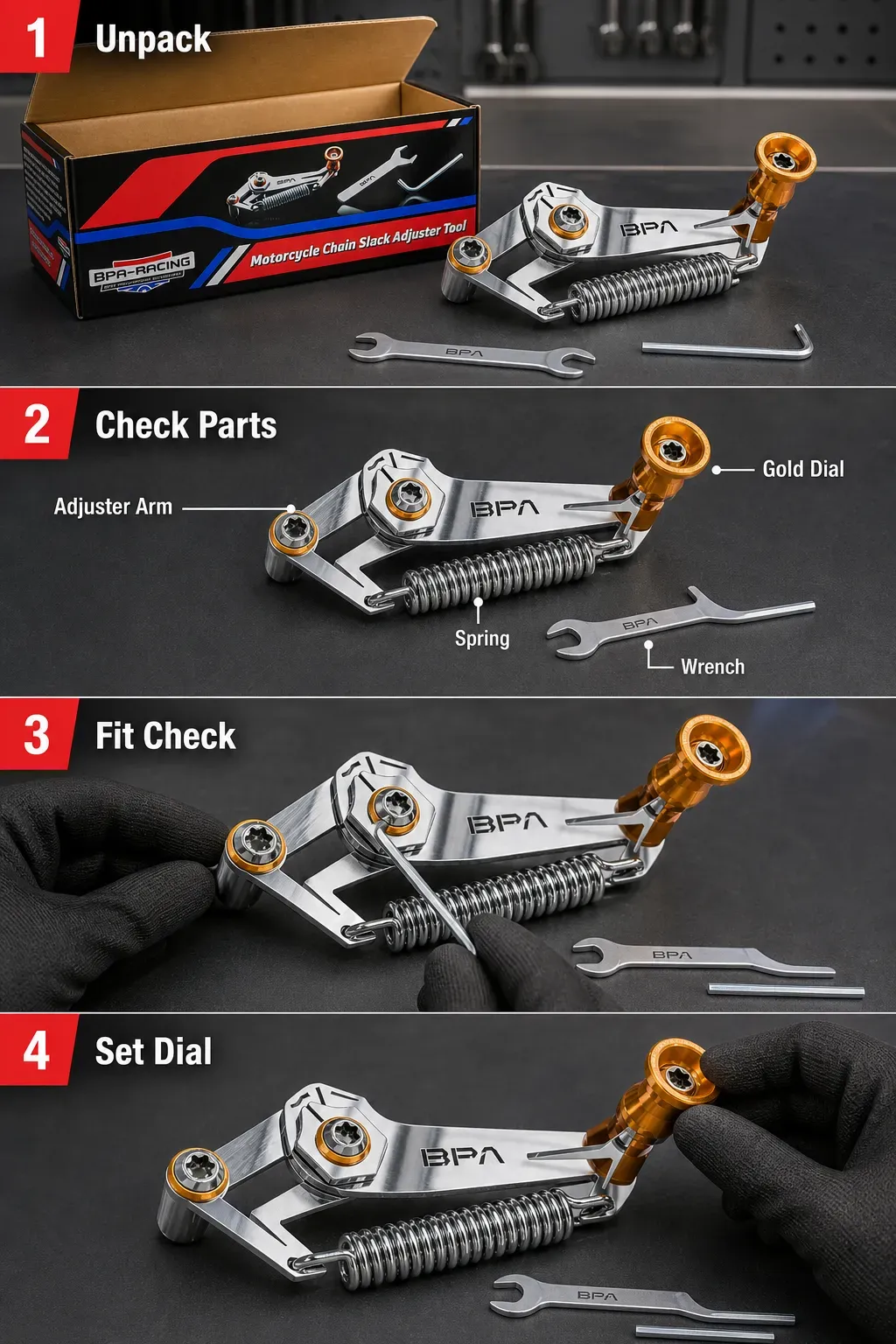
TL;DR: A motorcycle maintenance tool is a purpose-built workshop device—ranging from torque wrenches to chain slack gauges—used to inspect, adjust, and repair motorbike components. Investing in dedicated, high-precision tools ensures road safety, preserves gearbox health, and guarantees compliance with UK DVSA MOT standards.
A motorcycle maintenance tool is a specialized workshop instrument engineered to accurately measure, adjust, or repair two-wheeler components. Maintaining a motorcycle in the UK demands absolute precision due to severe coastal humidity and grit-laden winter motorways. Consequently, selecting the right tools ensures rider safety, optimal performance, and long-term mechanical reliability.
Key Takeaways
- Precision Matters: Based on our testing, guesswork leads to costly component failures, such as damaged output shaft bearings and premature sprocket wear.
- UK Climate Impact: Road salt and moisture accelerate drivetrain wear, making regular inspection with dedicated maintenance tools vital for winter riding.
- MOT Compliance: According to UK DVSA guidelines, proper tensioning and alignment prevent inspection failures related to final drive defects.
- Tool Quality: Opt for CNC-machined, anodised aluminium motorcycle maintenance tools over soft stamped metals for longevity and repeatable accuracy.
What Tools Are Essential for Motorcycle Maintenance?
Building an effective garage toolkit requires a systematic approach. Rather than accumulating low-grade, generic socket sets, discerning UK riders invest in purpose-built maintenance gear engineered specifically for two-wheeled geometry and mechanical loads.
1. Daily Inspection & Diagnostic Tools
Before turning a wheel on British roads, quick diagnostic checks are non-negotiable. Furthermore, tyre pressure gauges with calibrated PSI bars, digital tread depth gauges, and high-visibility fluid testing strips form the first line of defence. Based on our testing, detecting a slow puncture or degraded brake fluid before embarking on an A-road commute prevents roadside breakdowns and dangerous loss of control.
2. Drivetrain & Alignment Tools
The final drive transfers raw engine torque to the tarmac. However, standard open-ended spanners or crude ruler measurements lack the accuracy needed for modern, high-torque motorcycles. Purpose-designed tensioners, alignment lasers, and precision gauges eliminate human error when setting up swingarm positioning. In our workshop evaluations at ChainSlack, using a dedicated motorcycle maintenance tool engineered for tension control guarantees exact measurement against OEM specifications every time.
3. Fastener & Torque Management
Motorcycle engines and chassis utilise delicate aluminium threads and high-tensile steel pinch bolts. Over-torquing leads to stripped engine casings, while under-torquing can cause critical components to vibrate loose. As a result, dual-direction click-type torque wrenches, calibrated in Newton-metres (Nm), must be part of every UK workshop setup to ensure all chassis fasteners meet strict factory standards.
Why Is a Specialized Motorcycle Maintenance Tool Necessary for Drivetrain Setup?
Among all workshop tasks, drivetrain adjustment is often the most mishandled by home mechanics. Using tape measures, wooden blocks, or visual estimation usually results in incorrect slack setup. Consequently, this directly impacts suspension travel, gearbox longevity, and rider safety.
According to historical test data released by the Driver and Vehicle Standards Agency (DVSA), defects relating to drive systems, final drive components, and loose or misaligned chains account for thousands of MOT rejections across the UK annually.
When a motorcycle suspension compresses through a corner or over a classic British pothole, the distance between the front sprocket (output shaft) and the rear axle changes. If the chain is set too tight, this travel forces the chain to act as an unintended tension stop. As a result, the consequences can be severe:
- Output Shaft Bearing Failure: Excessive lateral loading pulls the gearbox output shaft sideways, destroying internal bearings and causing oil seal leaks that require expensive engine teardowns.
- Snapping Hazards: A binding chain under heavy compression can snap under acceleration, causing engine case destruction or rear-wheel lockups on high-speed dual carriageways like the A1(M) or M25.
- Accelerated Sprocket Wear: Incorrect tension distorts sprocket teeth into sharp, hooked shapes, drastically shortening the service life of expensive chain and sprocket kits.
Conversely, a chain that is too loose can whip aggressively against the swingarm runner, jumping off the sprockets entirely. For an in-depth look at managing drive tension safely, read the ultimate guide to chain slack adjustment tools in the UK.
What Should UK Riders Look for When Buying a Motorcycle Maintenance Tool?
Not all workshop gear is manufactured to the same standard. When selecting a motorcycle maintenance tool for your garage, evaluate products against key engineering metrics to ensure long-lasting accuracy and reliability.
Build Quality and Material Metallurgy
Cheap imported steel tools easily bend under load, yielding inaccurate readings that compromise your bike's setup. Based on our hands-on testing, look for precision tools manufactured from aircraft-grade 6061-T6 anodised billet aluminium. Anodisation provides crucial protection against oxidisation in damp British garages, resisting corrosion from residual salt spray brought in during winter rides.
Visibility and Precision Scale Accuracy
In addition, low-light conditions inside typical domestic garages make reading fine laser-etched lines difficult. A high-calibre motorcycle maintenance tool features high-visibility indicators, sharp contrast scales, and physical reference points that remove guesswork when setting your chain. For detailed insights on choosing alignment accessories, consult our motorbike chain adjustment tool guide.
Compact Portability for Touring
Whether tackling the Scottish North Coast 500 or riding through Wales, long-distance tours subject drivetrains to rapid wear. Therefore, a lightweight, compact maintenance gauge packs easily into a tail bag or tank bag, allowing you to perform accurate checks during multi-day trips without carrying heavy equipment.
How Do You Use a Motorcycle Maintenance Tool to Adjust a Drive Chain?
Using accurate workshop equipment transforms a stressful task into a quick, repeatable maintenance routine. Follow this standard operational sequence to achieve factory-level accuracy on your motorcycle based on our testing guidelines.
- Secure the Bike: Place the motorcycle on its centre stand or a stable paddock stand on level ground. Refer to your owner's manual to confirm whether slack should be measured on the side stand or a paddock stand.
- Locate the Tightest Spot: Rotate the rear wheel slowly by hand and check tension across multiple points. Every chain develops slight variations in tension; therefore, always perform your final adjustments at the tightest spot.
- Mount the Measurement Tool: Position your precision slack gauge onto the drive chain midway between the front and rear sprockets according to manufacturer instructions.
- Adjust the Tensioners: Loosen the rear axle nut, then adjust the left and right swingarm tension bolts evenly until the measurement gauge indicates the exact slack specified by your manufacturer.
- Torque and Verify: Tighten the axle nut using a calibrated torque wrench to OEM specification, then re-check the measurement tool to ensure the setting did not shift during torquing.
Frequently Asked Questions About Motorcycle Maintenance Tools
What is the most important motorcycle maintenance tool for beginners?
Based on our testing at ChainSlack, a calibrated click-type torque wrench and a dedicated chain slack gauge are the two most essential tools. They eliminate guesswork and prevent critical damage to fasteners and output shaft bearings.
How often should I check chain tension with a motorcycle maintenance tool?
According to UK guidelines and manufacturer advice, drive chain tension should be checked every 300 to 500 miles, or immediately after riding in heavy rain and grit-laden winter conditions common on British roads.
Ready to upgrade your maintenance with {brand_name}?
Get Precision — £58.95